Voters just ruled on data centers in 40 of 41 measures. OpenAI answered with a pledge
On November 3, Americans voted on 41 ballot measures about data centers across 10 states — and the side favoring limits won 40 of them. Two days later, OpenAI published its National Community Compact: pay the full cost of its energy, publish water and electricity use per site, and drop the NDAs with officials. The politics of AI infrastructure just became a line item.
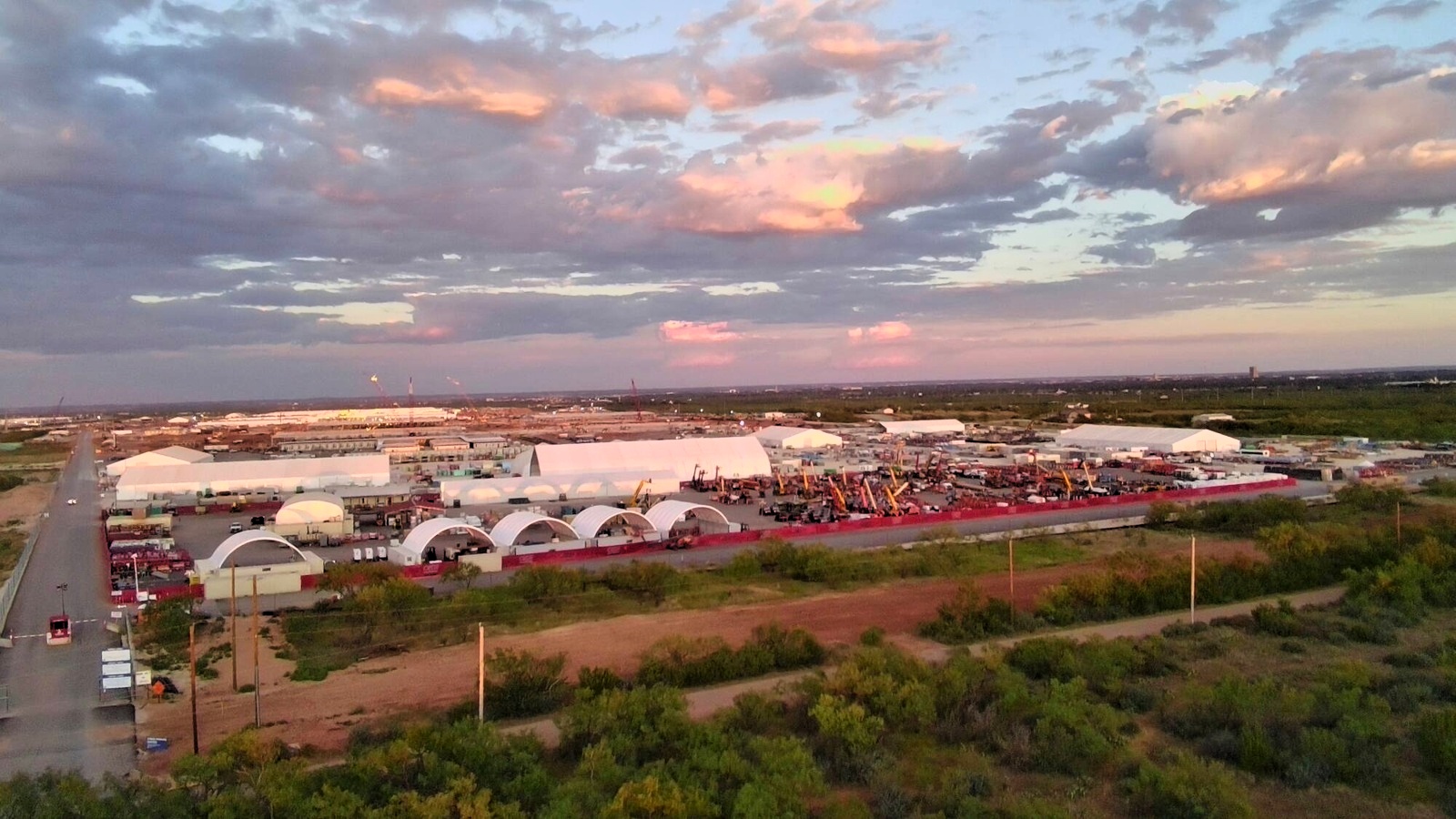
Photo: Theodore Christopher (CC0), via Wikimedia Commons.
The vote nobody in tech can ignore
Ballotpedia’s count of the November 3 results (unofficial) is stark: of 41 data-center measures in 10 states, the limits side won 40 — 27 restrictive measures approved and 13 pro-industry measures defeated, including five total bans; only Ohio’s Issue 21 broke the pattern. Whatever one’s view of the technology, the electorate’s instruction is unambiguous: communities intend to be asked, and to be answered, before the concrete is poured. The era of the quiet data-center deal is over.
OpenAI’s response came on November 5 in the form of the “National Community Compact”: the company pledges to pay the full cost of the energy its sites use, to publish water and electricity consumption site by site, and to end the practice of non-disclosure agreements with local officials. The precision matters: the compact covers campuses OpenAI owns and operates — partner-operated sites, such as Oracle’s, are not automatically covered. A pledge with edges is still a pledge, and its edges are where journalists and town councils will push.
What “paying its own power bill” actually means
To understand why the compact’s energy pledge matters, you have to understand how a very large electricity customer is normally connected. A data center does not plug into a wall. Serving a load of that size can require new substations, upgraded transmission lines and generation capacity arranged years ahead — infrastructure the utility builds and then recovers through the rates it charges. The political question hiding inside every large connection is who ultimately pays for those upgrades: the customer whose arrival made them necessary, or every ratepayer in the territory, spread silently across millions of ordinary bills. Communities learned to ask that question out loud, and the ballot results above are what it sounds like when they do. A pledge to pay the full cost of the energy its sites use is, in that light, not a courtesy. It is an answer to the specific, checkable fear that the AI boom would be part-financed by the neighbors’ electricity bills.
The transparency pledge works by a different mechanism, and it is just as mechanical. A modern data center’s footprint is two numbers before it is anything else: how much electricity it draws, and how much water its cooling uses — because every watt of computing becomes heat, and heat must be carried away, often by evaporating water. As long as those numbers are estimates traded in arguments, a siting debate is a contest of suspicions. Publish them site by site, and the debate changes species: residents, journalists and councils can compare a campus against its promises, year after year, with the same figures in everyone’s hands. Disclosure does not settle arguments, but it disciplines them — and it disciplines the operator most of all, because a published number is a promise that can be audited by anyone with a spreadsheet.
The third element, ending non-disclosure agreements with local officials, sounds procedural and is anything but. NDAs have a legitimate use in early negotiations: companies scouting several sites do not want each town bidding against leaked terms from the others. But the side effect is corrosive — the officials negotiating in a community’s name cannot tell the community what is being negotiated. Decisions arrive pre-cooked, and the public’s first real sight of a project is the announcement. Ending that practice does not make siting easy; it makes it legible. Hearings become actual negotiations instead of rituals, and support, when it comes, is worth more because it was given in the open.
Put the three together and a pattern emerges that any manager in any industry will recognize: the compact converts vague goodwill into specific, testable commitments — a cost assigned, a number published, a conversation unsealed. That is simply good engineering applied to politics. And it raises the standard for everyone else at the table, which is what makes a pledge like this strategically interesting even to readers who will never build a data center: once one major operator defines what a welcome neighbor looks like, every other operator’s silence starts to look like an answer too.
The decision this sets
For every operator siting capacity, the compact resets the negotiating baseline: full-cost energy, published consumption and no NDAs are now the terms a competitor has publicly accepted, and communities will quote them in every hearing. For local governments, the ballot results are leverage with a date on them. And for the industry’s planners, the strategic fact is that social license has become a schedule risk of the same rank as power and chips — the 40-of-41 scoreline belongs in the risk register, next to the interconnection queue.
What thrills
- Transparency as policy: published water and power per site turns argument into arithmetic.
- Full-cost energy: the pledge answers the loudest local objection head-on.
- Democracy, itemized: 41 measures is not a mood; it is a dataset.
What to watch
- Edges of the pledge: partner-operated sites sit outside the compact’s automatic reach.
- Unofficial results: Ballotpedia’s count is of unofficial returns.
- Enforcement: a compact is a promise; its audits will decide its weight.
The data sheet
The vote (Nov 3, 2026; Ballotpedia, unofficial)
| Field | Detail |
| Measures | 41 data-center measures in 10 states |
| Outcome | Limits side won 40: 27 restrictive approved, 13 favorable defeated (incl. 5 total bans) |
| Exception | Ohio, Issue 21 |
The compact (OpenAI, Nov 5, 2026)
| Field | Detail |
| Energy | Pay the full cost of energy used |
| Transparency | Publish water and electricity use per site |
| NDAs | End NDAs with local officials |
| Scope | Campuses owned and operated by OpenAI; partner sites not automatically covered |
Sources
- Ballotpedia: November 3, 2026 ballot measures on data centers (unofficial results).
- OpenAI, “National Community Compact” (Nov 5, 2026).
- Photo: Theodore Christopher (CC0), via Wikimedia Commons.