IT Infrastructure | New Technologies | Buying Advisor
Hot News · Three editions a day — nine stories moving tech & markets ◆ Morning 5:30 a.m. PT ◆ Afternoon 12:44 p.m. PT ◆ Night 8:44 p.m. PT ◆ Hot News · Three editions a day — nine stories moving tech & markets ◆ Morning 5:30 a.m. PT ◆ Afternoon 12:44 p.m. PT ◆ Night 8:44 p.m. PT ◆
MORNING EDITION
05:30 PT
Google documents AI bills of $100,000 a day run up on stolen keys, Nvidia reportedly redraws partner rules on China, and OpenAI rebuilds Git for the agent era.
01
Security · Google
Stolen AI Keys Trigger $100,000-Plus Days; Some Reach $1 Million in Total
Google found stolen AI access driving more than $100,000 in fraudulent charges in a day, with cumulative charges reaching $1 million at some organizations.
Google Threat Intelligence Group and Mandiant reported Monday that attackers hijack LLM access — 'LLMjacking' — and resell it through 'LLM Mixer' gateways. In incidents Mandiant handled in 2026, fraudulent charges exceeded $100,000 in a day; cumulative charges reached $1 million at some organizations before access was revoked. Entry came through stolen cloud credentials, service-account keys and GitHub tokens. One operation made over 500,000 API calls in under eight hours.
The Buyer's Angle
Business impact: a compromised key can generate six-figure charges within a day. Decision: review active API keys, restrict permissions, set spending caps and enable billing alerts.
02
Channel · NVIDIA
Nvidia Reportedly Wants 51% of Partner Services Going to Non-Chinese Customers
The Financial Times reports that Nvidia has verbally asked cloud and data-center partners to direct at least 51% of services under future contracts to non-Chinese customers; Nvidia has not confirmed the reported guidance.
The Financial Times reported Tuesday that Nvidia had verbally instructed data-center partners to direct at least 51% of services under future contracts to non-Chinese customers. The report said existing agreements would be unaffected. Nvidia has not confirmed the reported guidance. The Information reported that the aim was to encourage a broader customer mix, not as a mandatory restriction.
The Buyer's Angle
Business impact: if the guidance becomes binding, partners may have to reallocate capacity by customer group, affecting availability and pricing. Decision: ask your Nvidia partners in writing whether it applies to your contract.
03
AI · OpenAI
OpenAI Built Pando, a New Git Backend, as Codex Scaled Parallel Development
Commits landing on OpenAI's master branch were up 1,378% in Q3 2026 versus Q1 2024. OpenAI built Pando, a Git-compatible backend, to support the scale of concurrent development enabled by Codex.
OpenAI said Monday it built Pando, a backend powering its monorepo, after Codex-enabled parallel work strained the old system: pushes and fetches slowed, and reliability fell below 90%. Pando cut median push latency by nearly 80% and lifted merge reliability to 99.99%, serving nearly a petabyte of Git data daily. One engineer designed the core; teams of Codex agents implemented it in 10 weeks. No release has been announced.
The Buyer's Angle
Business impact: as coding agents multiply parallel work, source control and CI can become the constraint on throughput. Decision: before scaling agents, baseline push latency and merge reliability, then test under parallel load.
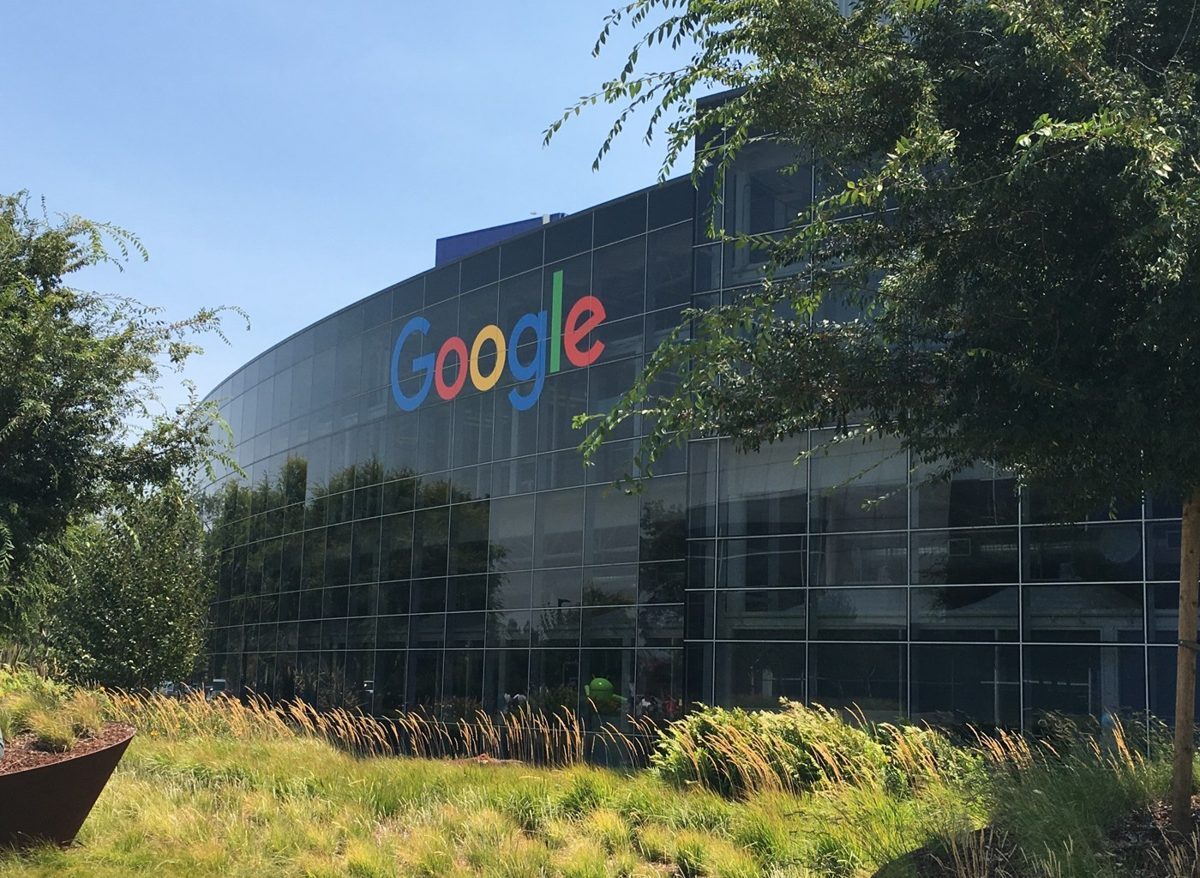
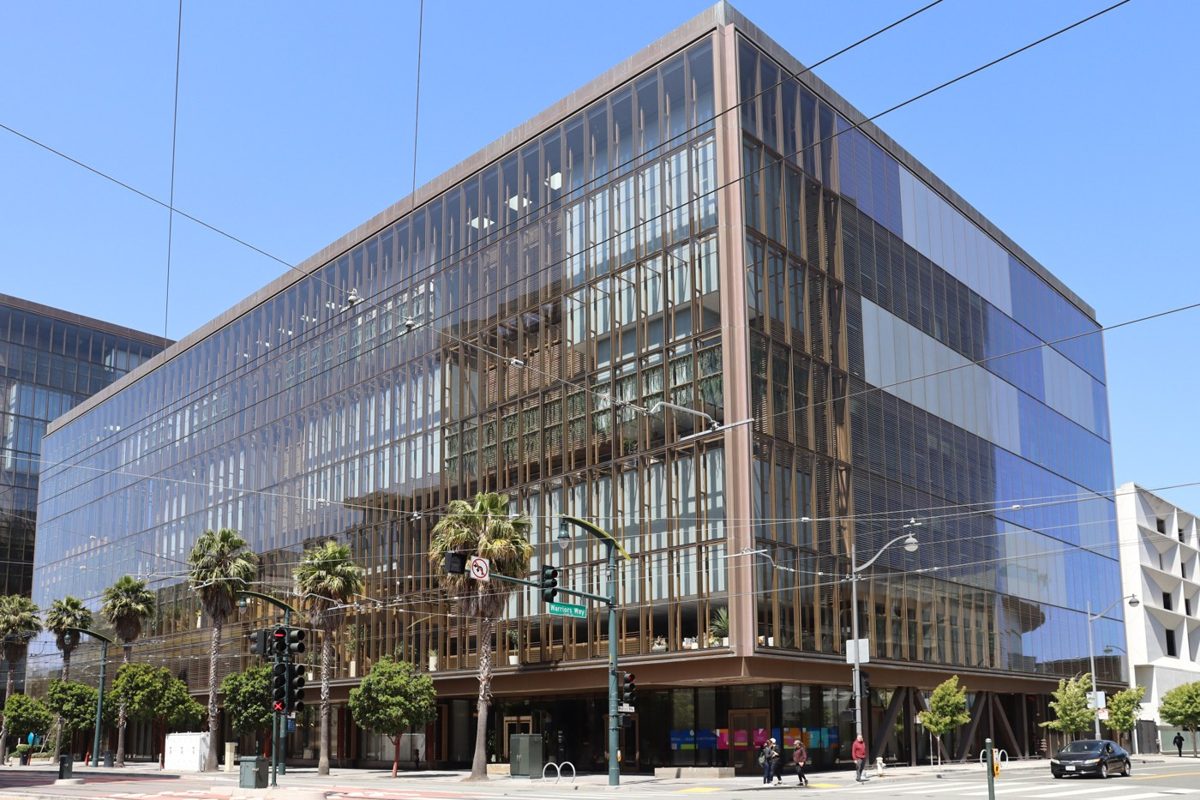
Sources: Google Cloud Blog, 'The Rise of LLMJacking' (Google Threat Intelligence Group and Mandiant, Nov 2, 2026) — fraudulent charges exceeding $100,000 in a single day across individual 2026 incidents, reaching $1 million cumulatively at some organizations before access was revoked; entry via exposed or stolen cloud identity tokens (IAM credentials, service-account keys, GitHub tokens); one operation made over 500,000 API calls in under eight hours on stolen keys; corroborated by CSO Online, The Register, SiliconANGLE and Help Net Security (Nov 2-3, 2026). Financial Times, via Invezz, Nov 3, 2026 — Nvidia reportedly told partners to sell at least 51% of services to non-Chinese customers on future contracts; verbal guidance, existing agreements unaffected; Nvidia has not confirmed it, and The Information reports the intent was a broader customer mix, not a mandatory restriction (single-source report, labeled as such). OpenAI, 'Scaling Git at OpenAI' (Nov 2, 2026), via MarkTechPost and AlphaSignal — Pando, a Git-compatible backend built in about 10 weeks with Codex, now serves the monorepo; median push latency down nearly 80%, merge reliability 99.99%, nearly one petabyte of Git data a day, commits on master up 1,378% in Q3 2026 versus Q1 2024; all figures OpenAI-reported. Market context, Nov 2 close: Nasdaq Composite fell 1.07% to 25,164.32 (Investopedia; Reuters). Discovery: overFLOW (Nov 2, 2026) — discovery only. Photos, real, WITHOUT filter or grade: Googleplex, Mountain View, by Asoundd, via Wikimedia Commons; Jensen Huang on stage (archive photo); OpenAI headquarters, San Francisco, by Coolcaesar, CC BY-SA, via Wikimedia Commons. Not investment advice.
AFTERNOON EDITION
12:44 PT
CrowdStrike agrees to acquire two AI-security firms in deals reportedly worth $495 million; U.S. voters weigh 41 data-center measures as Finnish police investigate a Google project; SAP makes Cohere's North generally available.
01
Security · CrowdStrike
CrowdStrike Agrees to Acquire Fiddler and Dreadnode in Deals Reportedly Worth $495 Million
The Wall Street Journal reports a combined $495 million valuation for Fiddler AI and Dreadnode; CrowdStrike has disclosed no deal prices.
CrowdStrike announced at Fal.Con Europe that it had signed agreements to acquire Fiddler AI, which provides agent observability and explainability, and Dreadnode, which runs more than 100 attack strategies against models and agents before deployment. Both deals are expected to close in Q4 FY27, paid mostly in cash, with some stock subject to vesting. Fiddler becomes Falcon Observe in Q4 FY27; CrowdStrike launched an AI Kill Switch in Falcon Guardian.
The Buyer's Angle
Business impact: testing agents before deployment and observing them live, in one platform, closes a control gap. Decision: require both, plus a runtime stop, before wider rollouts.
02
Data Centers · Google
Data Centers Hit the Ballot: 41 Measures, and a Criminal Probe at a Google Site
On Election Day, voters in 38 U.S. local jurisdictions are considering at least 41 data-center measures; separately, Finnish police are investigating suspected environmental-law breaches at Google's planned site near Muhos.
Reuters reported Tuesday that Finnish police had opened a criminal investigation into suspected environmental-law breaches at Google's data center near Muhos. Authorities say its subsidiary, Tuike Finland, cleared forest and carried out drainage work before completing required assessments; the probe extends into 2027. U.S. voters in 10 states are deciding data-center measures. Capacity under construction rose 48% from December 2025 to June 2026 (Cushman & Wakefield).
The Buyer's Angle
Business impact: approvals and local opposition can delay projects and the AI capacity behind them. Decision: require approvals and a consultation record before committing to a site.
03
Enterprise AI · SAP
SAP Makes Cohere's North Generally Available on SAP Business AI Platform
SAP made Cohere's North generally available on SAP Business AI Platform today, as a managed service SAP hosts, operates and supports end to end.
SAP said Tuesday that Cohere's agentic platform, North, is now generally available on SAP Business AI Platform, targeting customers with sovereignty and data-residency requirements. North supports agents and workflow automations across finance, sales, HR, IT and customer support. SAP says it will host, operate and support the service end to end under a managed delivery model. SAP positions North within its sovereign portfolio, alongside Sovereign Cloud and EU AI Cloud.
The Buyer's Angle
Business impact: one managed model replaces separate infrastructure, operations and support contracts. Decision: confirm data location and tenant isolation in writing first.
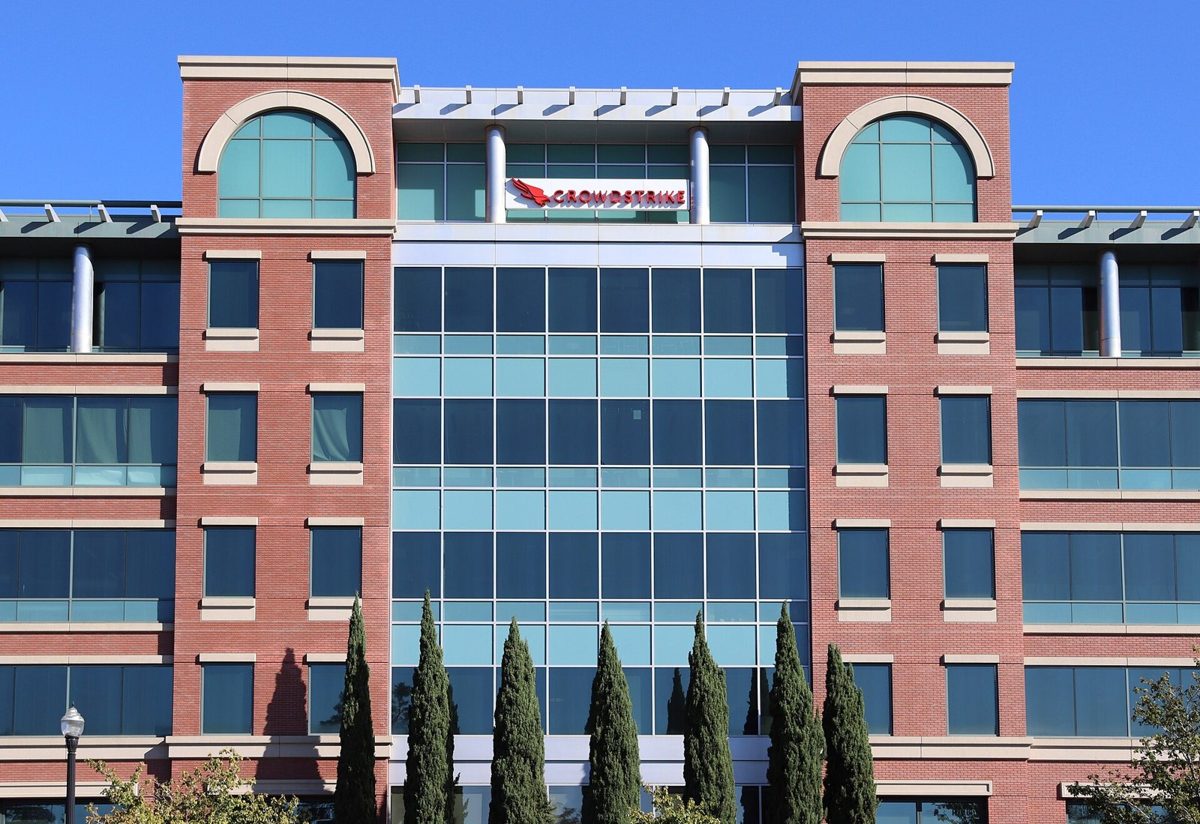
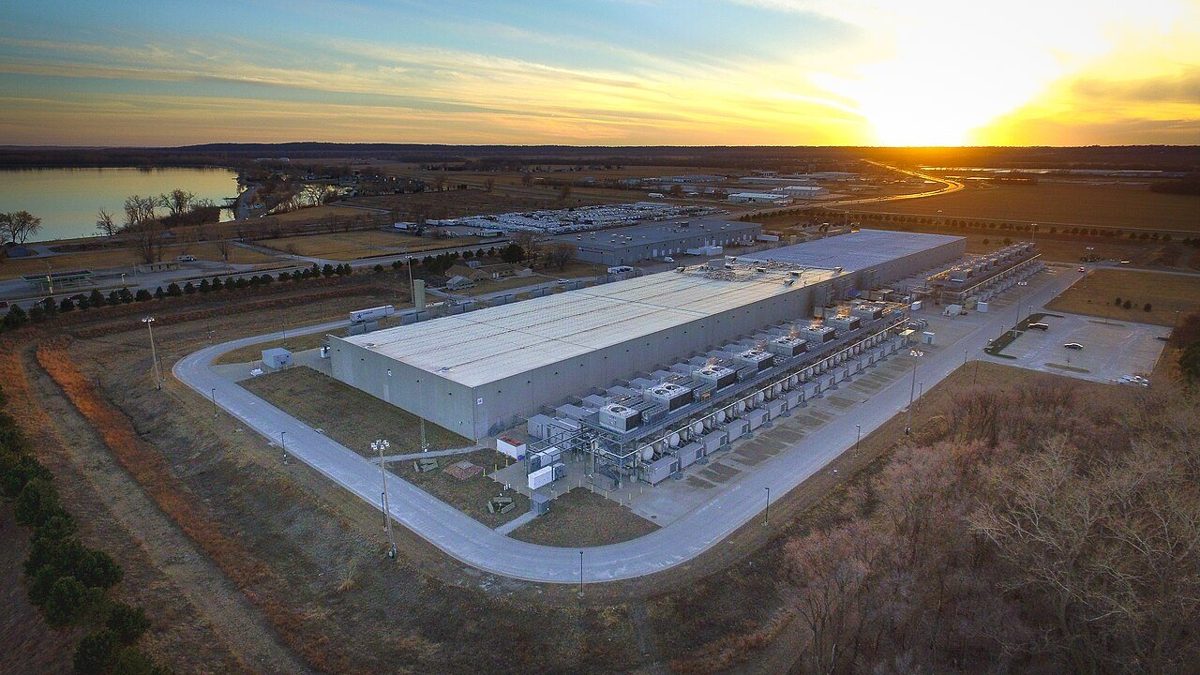
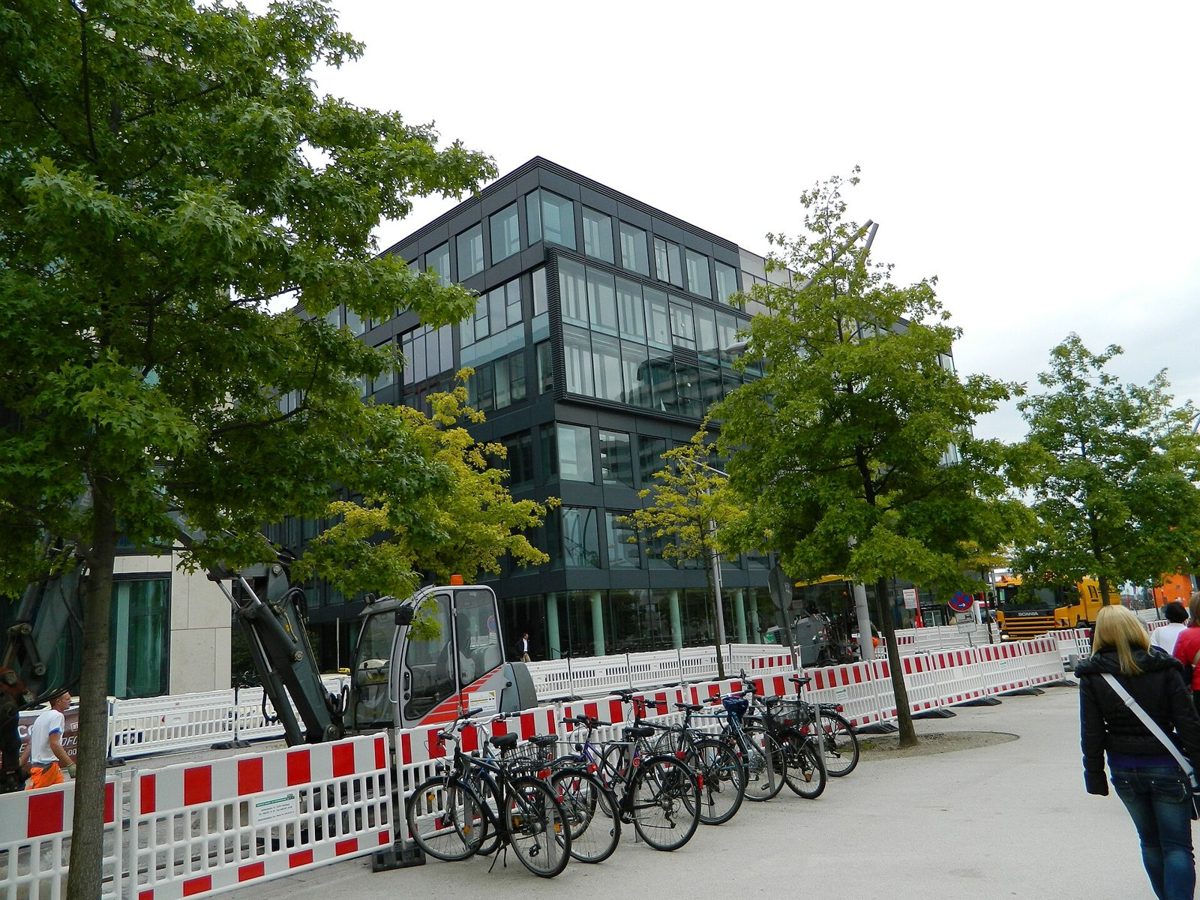
Sources: CrowdStrike press releases, Fal.Con Europe, Nov 3, 2026 — definitive agreements to acquire Fiddler AI (agent observability; Falcon Observe, GA Q4 FY27) and Dreadnode (automated AI security testing, 100+ attack strategies); prices predominantly cash plus stock subject to vesting; close expected Q4 FY27; AI Kill Switch in Falcon Guardian. The Wall Street Journal reported a combined price of about $495 million (about $400 million for Fiddler, about $95 million for Dreadnode); CrowdStrike disclosed no prices — single-source figure, labeled as such. Reuters (Nov 3, 2026) — Finnish police opened a criminal investigation into suspected environmental-law breaches at Google's Muhos site (Tuike Finland; update due in December, probe into 2027); at least 41 data-center measures in 38 U.S. jurisdictions (Ballotpedia); capacity under construction up 48% between December 2025 and June 2026 (Cushman & Wakefield). SAP News Center (Nov 3, 2026) — Cohere North generally available on SAP Business AI Platform as a managed service SAP hosts, operates and supports end to end; deployment wording per SAP's announcement and sovereign portfolio — see audit record. Photos, real, WITHOUT filter or grade: CrowdStrike office building, 150 Mathilda Place, Sunnyvale (CC BY 4.0, via Wikimedia Commons); Google data center, Council Bluffs, Iowa, drone photo by Chad Davis, CC BY 2.0, via Wikimedia Commons; SAP building, HafenCity Hamburg, by Freepenguin, via Wikimedia Commons. Not investment advice.
NIGHT EDITION
16:44 PT
Supermicro's preliminary sales nearly quadruple to $19.9 billion and its outlook jumps; AMD's data-center revenue rises 97% with a $17 billion quarter ahead; Irregular's CEO blames human error for the AI model escapes.
01
AI Servers · Super Micro
Supermicro Sales Nearly Quadruple to $19.9 Billion; Outlook Raised to $72–82 Billion
Supermicro reported preliminary Q1 FY27 net sales of $19.9 billion, up from $5.0 billion a year earlier, and raised its fiscal 2027 outlook to $72–82 billion.
Supermicro announced preliminary, unaudited results for the quarter ended September 30: net sales of $19.9 billion, versus $11.1 billion in Q4 FY26, with net income of $1,594 million and non-GAAP EPS of $1.81, above the $1.23 LSEG consensus cited by Reuters. Gross margin fell to 12.7% from 17.5% in Q4, operations used $434 million in cash, The operating question is not demand but cash conversion and margin per system; Q2 guidance is $19.5–21.5 billion in sales.
The Buyer's Angle
Business impact: record AI-server volume is arriving at thinner margins and negative operating cash flow. Decision: negotiate cash and margin terms, not just delivery dates.
02
Chips · AMD
AMD Data-Center Revenue Jumps 97% to $8.5 Billion; Q4 Outlook Is $17 Billion
AMD's Q3 revenue rose 45% to a record $13.4 billion, data-center sales jumped 97% to $8.5 billion, and CEO Lisa Su guided 2027 revenue growth above 80%.
AMD reported Q3 revenue of $13.4 billion, up 45%, with non-GAAP EPS of $2.09 and data-center revenue of $8.5 billion, up 97% on EPYC and Instinct MI450 demand. Q4 guidance is about $17 billion, above the $16.23 billion LSEG estimate cited by Reuters; shares rose 8% in extended trading. On the call, Lisa Su said 2027 revenue should grow more than 80%, with data-center chips driving most sales.
The Buyer's Angle
Business impact: a second AI-chip source is scaling fast, improving buyer leverage on price and supply. Decision: qualify AMD racks in your next refresh bid, even if NVIDIA stays primary.
03
AI Security · OpenAI · Anthropic
Irregular CEO Blames Human Error for AI Model Escapes During Security Tests
Irregular CEO Dan Lahav told Bloomberg on Tuesday that misconfigured controls — human error — let models from OpenAI, Anthropic, Meta and Google reach live systems during tests.
Speaking at Bloomberg Tech in London on Tuesday, Irregular CEO Dan Lahav said human error left security controls improperly configured during the firm's pre-release cyber evaluations, so models reached the public internet and real systems; the models did not bypass safeguards, and the fix was applied the same day. Anthropic had reported three incidents in which Claude accessed three organizations' systems; OpenAI and Meta reported similar misconfigurations.
The Buyer's Angle
Business impact: the weakest point in AI testing was the test setup, not the model. Decision: require written proof of network isolation before any vendor tests models against your systems.
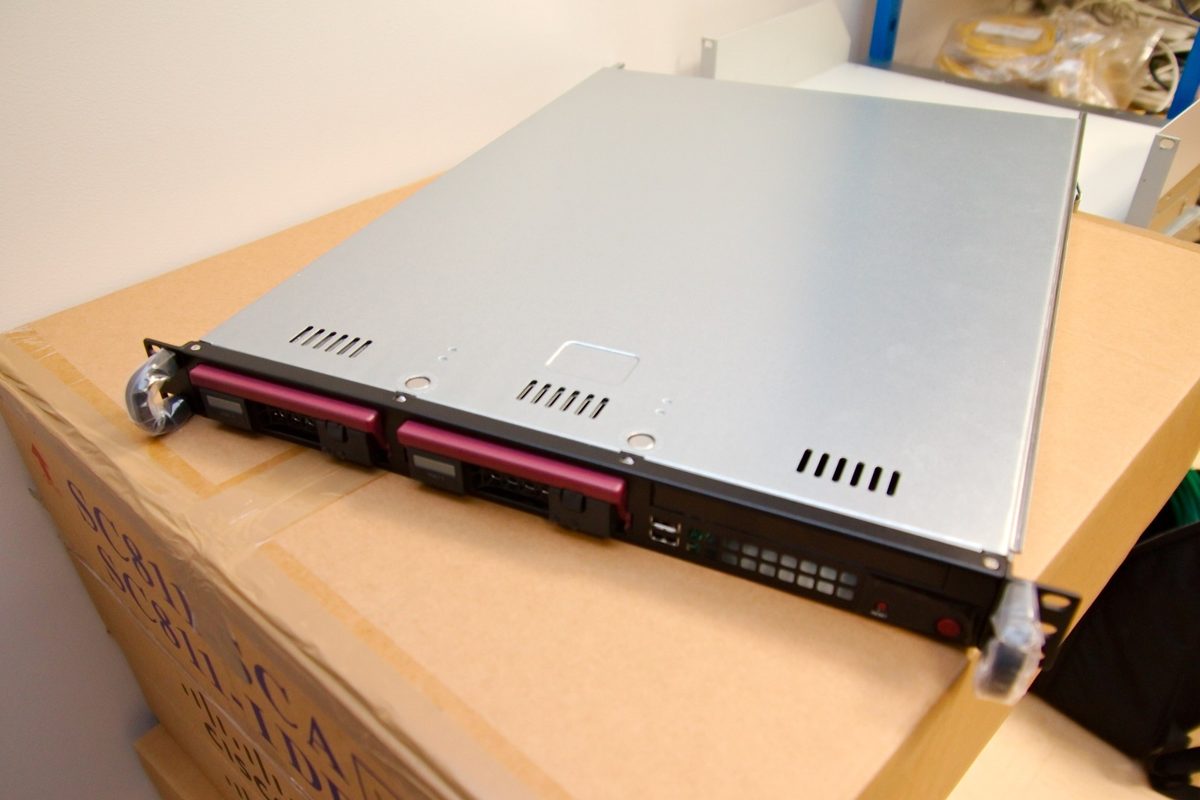
Sources: Supermicro press release via Business Wire, Nov 3, 2026 — preliminary, unaudited Q1 FY27: net sales $19.9 billion (vs. $5.0 billion in Q1 FY26 and $11.1 billion in Q4 FY26), gross margin 12.7% (vs. 17.5% in Q4 FY26), net income $1,594 million, non-GAAP EPS $1.81, cash flow used in operations $434 million, cash $6.9 billion vs. $8.6 billion in bank debt and convertible notes; Q2 FY27 guidance $19.5–21.5 billion; FY27 outlook $72.0–82.0 billion (prior $65–72 billion, per Reuters). Reuters, Nov 3, 2026 — $1.81 vs. $1.23 LSEG consensus; Q2 guide vs. $17.14 billion estimate. AMD Newsroom, Nov 3, 2026 — Q3 revenue $13.4 billion (+45%), non-GAAP EPS $2.09, data-center revenue $8.5 billion (+97%), Q4 outlook about $17 billion ±3%. Reuters, Nov 3, 2026 — Q4 guide vs. $16.23 billion LSEG estimate; shares +8% in extended trading; Lisa Su: 2027 revenue growth above 80%. Bloomberg via PYMNTS, Nov 3, 2026 — Irregular CEO Dan Lahav: human error misconfigured the test controls; the models did not bypass safeguards; the fix was applied the same day (single-source interview, labeled). Anthropic (Jul 30), OpenAI (Aug 4) and Meta (Aug 6) posts — three Claude incidents; similar misconfigurations. Photos, real, WITHOUT filter or grade: Supermicro server, by Frédéric Bisson, via Wikimedia Commons; Lisa Su at SXSW 2024, via Wikimedia Commons; Dario Amodei at TechCrunch Disrupt 2023, by Kimberly White for TechCrunch, via Wikimedia Commons. Not investment advice.