IT Infrastructure | New Technologies | Buying Advisor
Hot News · Three editions a day — nine stories moving tech & markets ◆ Morning 5:30 a.m. PT ◆ Afternoon 12:44 p.m. PT ◆ Night 8:44 p.m. PT ◆ Hot News · Three editions a day — nine stories moving tech & markets ◆ Morning 5:30 a.m. PT ◆ Afternoon 12:44 p.m. PT ◆ Night 8:44 p.m. PT ◆
MORNING EDITION
05:30 PT
Google's prototype orbital TPU answers with a haiku, Anthropic faces a 'junk' credit forecast after its IPO, and attackers are already probing Oracle's 9.8-rated E-Business flaw.
01
AI · Google
Google's Suncatcher Prototype Returns Its First AI Response From Orbit
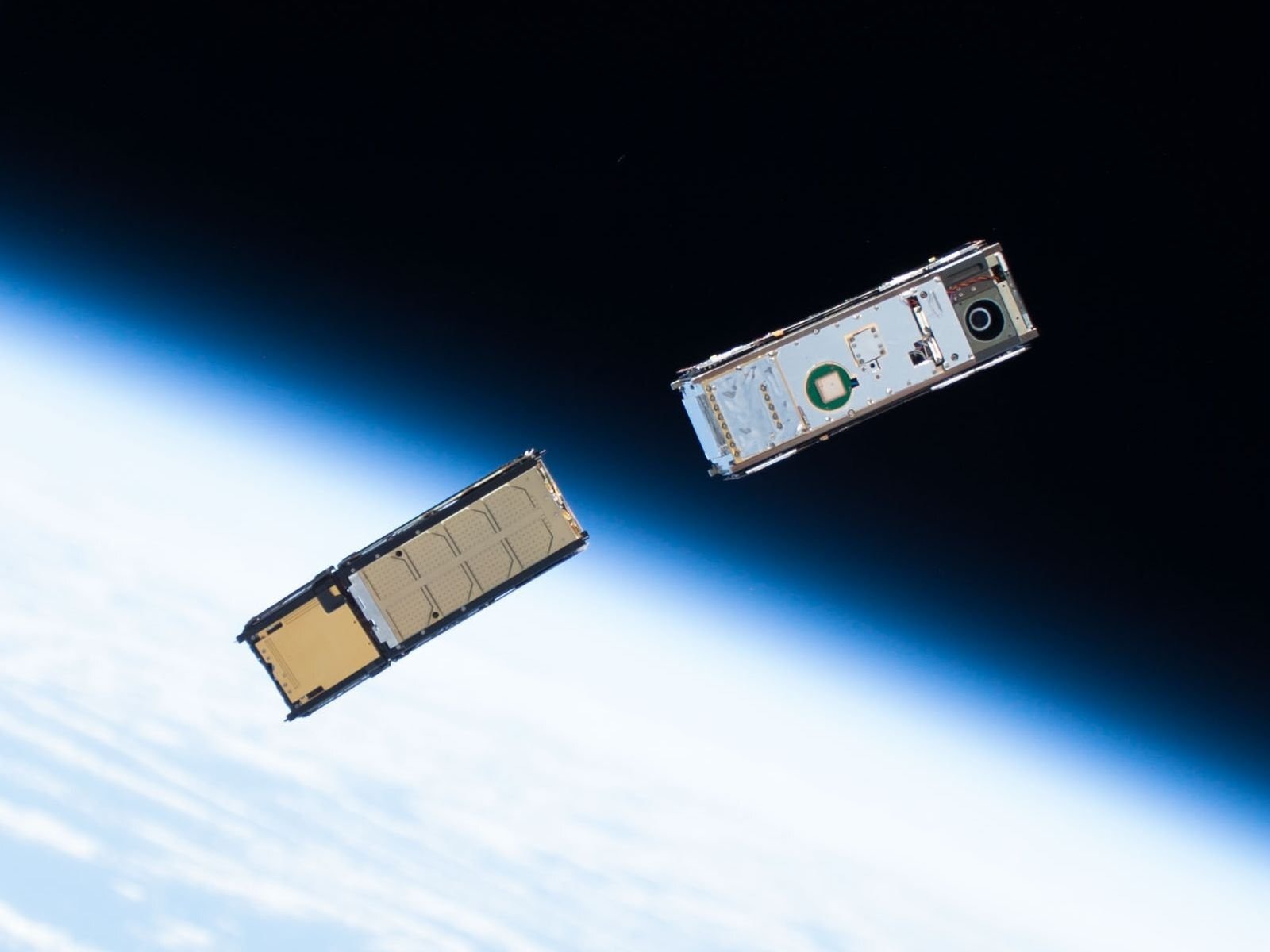
Google's Suncatcher prototype returned the first AI response from a data-center-class TPU in orbit: a haiku.
Google said its Suncatcher prototype, launched October 1, returned the first AI response from a data-center-class TPU in orbit: its Gemma 4 model wrote a haiku, downlinked as the satellite passed Svalbard, Norway. TechCrunch reported the satellite carries four TPUs but runs one at a time for about 20 minutes, and is operating nominally. Next: thermal and radiation tests, then two linked satellites in 2027.
The Buyer's Angle
Business impact: no immediate gain in AI cost, capacity or uptime — a long-term research bet, not a procurement option. Decision: keep capacity decisions on terrestrial price, delivery and uptime terms.
02
AI · Anthropic
Anthropic Faces a 'Junk' Credit Rating After Its IPO, FT Reports
Blackstone reversed its investment-grade forecast: it now expects a double-B 'junk' rating for Anthropic after the IPO (FT).
Blackstone, anchor investor in a $63 billion deal to finance Anthropic's chips, told investors it now forecasts a high 'junk' rating — double-B, the top tier of speculative grade — for Anthropic after its IPO, the Financial Times reported. That reverses Blackstone's earlier investment-grade expectation. No agency has rated Anthropic yet: this is a forecast, not a decision. Both companies declined to comment.
The Buyer's Angle
Business impact: costlier capital raises pressure on Anthropic over time; an effect on Claude pricing is not yet verified. Decision: at renewals, press for price protection, term flexibility and continuity terms in writing.
03
Security · Oracle
Attackers Are Probing Oracle's Critical E-Business Flaw — Patch Now
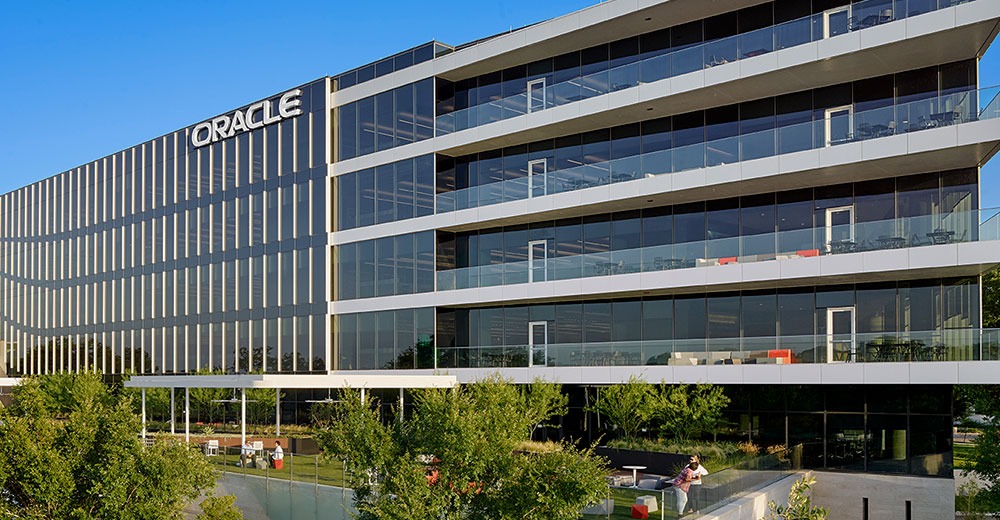
Probes began days after Oracle's patch: a critical E-Business flaw rated 9.8 that can chain to system takeover.
CVE-2026-101767 (CVSS 9.8) is an unauthenticated SQL injection in Oracle E-Business Suite's Application Object Library that can chain to remote code execution and full system takeover if successfully exploited, The Hacker News and Orca Security reported. Versions 12.2.3–12.2.15 are affected. Oracle patched it on October 20; a week later, on October 27, Defused Cyber recorded exploratory exploits against EBS decoys. Horizon3.ai found and reported the flaw in July.
The Buyer's Angle
Business impact: EBS holds finance, payroll and HR data — successful exploitation risks breach, downtime and recovery costs. Decision: patch all EBS instances immediately, including non-production, and hunt for the probes.
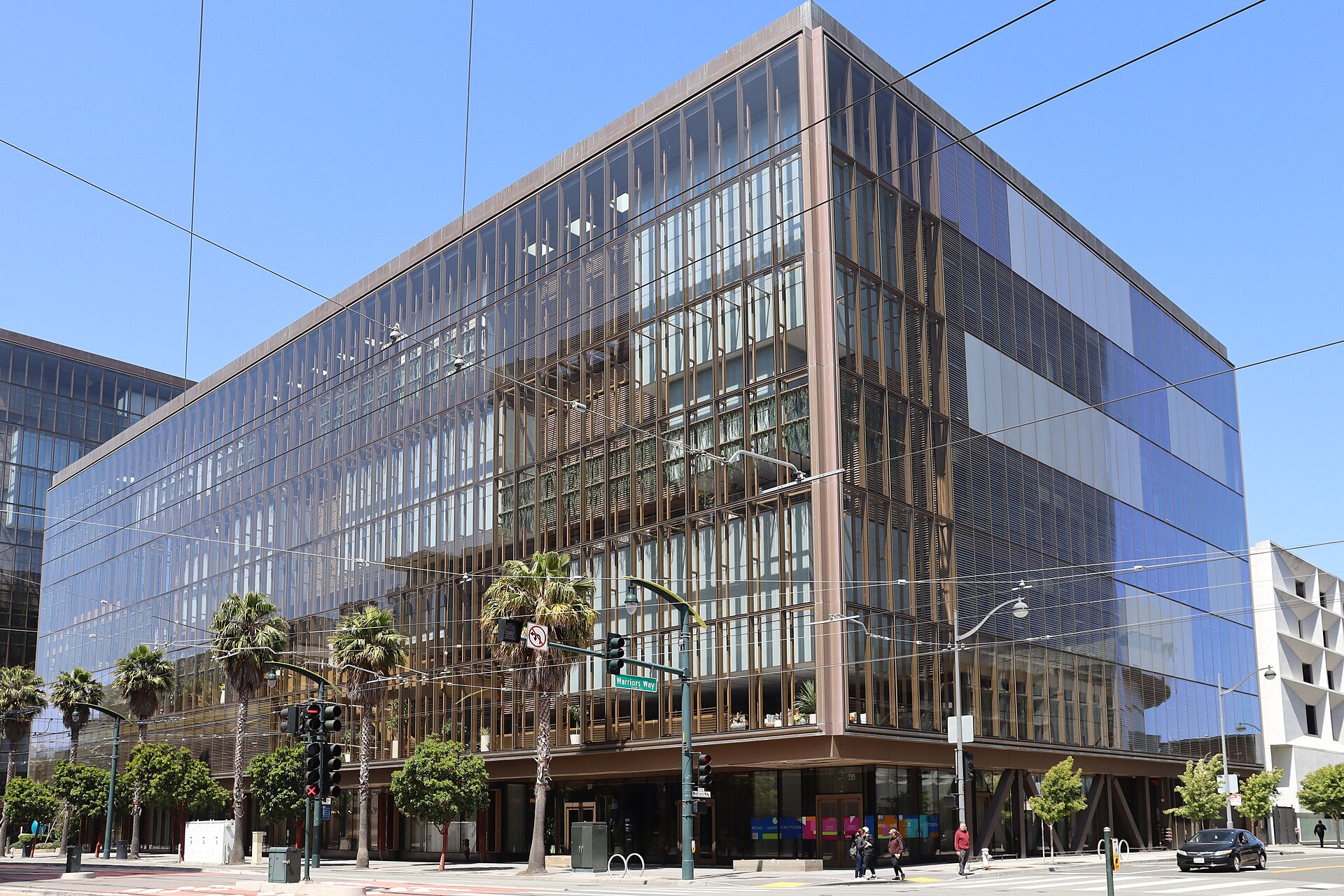
Sources: Google (primary), October 30, 2026 — Suncatcher prototype, launched October 1, returned the first-ever AI response from a data-center-class TPU in orbit: Gemma 4 wrote a haiku, downlinked over Svalbard, Norway; twin linked satellites are the 2027 milestone. TechCrunch, October 30, 2026 — four TPUs aboard, one runs at a time for about 20 minutes, operating nominally; The Verge covered it the same day. Financial Times, October 30, 2026, via TechCrunch — Blackstone, anchor investor in a $63 billion deal to finance Anthropic's chips, now expects a high 'junk' rating (double-B range) after the IPO, reversing its investment-grade expectation; a forecast, not an agency decision; both companies declined to comment. The Hacker News, October 28, 2026, and Orca Security — CVE-2026-101767 (CVSS 9.8), unauthenticated SQL injection in Oracle E-Business Suite, chains to remote code execution; versions 12.2.3–12.2.15; patched October 20; Defused Cyber recorded exploratory exploits on October 27; found by Horizon3.ai. Discovery: overFLOW, Google Trends U.S. — discovery only. Photos, real, WITHOUT filter or grade: satellites in orbit (hero/story 1, Suncatcher coverage via TechDergi); Dario Amodei at the G7 (story 2, Getty via TechCrunch); Oracle HQ, Austin (story 3, via TechNewsWorld). Not investment advice.
AFTERNOON EDITION
12:44 PT
Big Tech's AI bill tops $3 trillion as the rout deepens, attackers root 25 Palo Alto firewalls, and a backdoored Claude Code extension hits Cursor users.
01
AI · Microsoft / Google / Oracle
Big Tech's AI Commitments Top $3 Trillion as the Market Rout Deepens
Disclosed AI commitments at five hyperscalers now top $3 trillion, up from $2.4 trillion in July (Bloomberg).
Bloomberg's tally of quarterly filings, reported October 30, puts disclosed future AI spending commitments at Alphabet, Meta, Microsoft, Amazon and Oracle above $3 trillion, up from about $2.4 trillion in July. Alphabet alone accounts for over $1 trillion; about $1.3 trillion is future leases, some running 30 years. The market priced the bill this week: the Nasdaq fell 2.86% on Friday, its worst day since June, and Alphabet lost about $500 billion in one session on Thursday.
The Buyer's Angle
Business impact: vendors with 30-year locked-in demand can hold prices and terms; buyers fund the buildout either way. Decision: lock multi-year price protection and exit flexibility into cloud and AI contracts now.
02
Security · Palo Alto Networks
Palo Alto Firewalls Rooted in Chained PHP2Shell Attacks
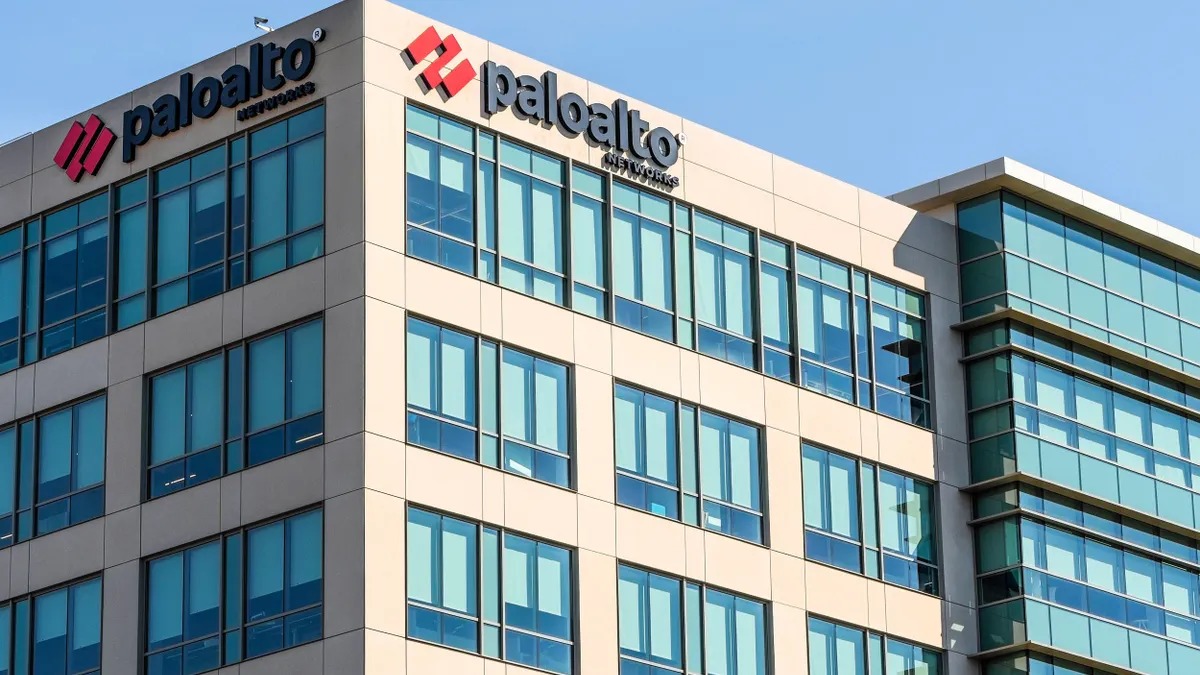
Attackers chained PHP2Shell flaws to root 25 Palo Alto firewalls — about 19,000 were scanned first.
A suspected China-nexus actor chained PHP2Shell flaws with a Linux kernel privilege-escalation bug (Fragnesia, CVE-2026-46300) to gain root on 25 PAN-OS firewall and management servers in the U.S., Japan, Taiwan and South Korea, Dream and Unit 42 reported. Targets included U.S. government-linked servers; attackers then targeted Microsoft Active Directory. Palo Alto Networks said about 0.02% of its installed base had internet-exposed management interfaces. CISA added the flaws to its Known Exploited Vulnerabilities catalog.
The Buyer's Angle
Business impact: a rooted firewall exposes credentials and the network behind it — breach and downtime costs follow. Decision: patch PAN-OS today, remove public management access, and hunt for compromise.
03
Security · Anthropic
Backdoored Claude Code Extension Reached Up to 5,000 Cursor Users
A tampered Claude Code extension planted an SSH backdoor — up to 5,000 Cursor users exposed in 11 hours.
Cursor disclosed that malicious builds of Anthropic's Claude Code extension — versions 2.1.312 and 2.1.313, not made by Anthropic — sat in its marketplace for about 11 hours on October 29, reaching at most 5,000 users. The code tried to plant an attacker SSH key labeled 'svc-telemetry,' open a reverse tunnel and persist after reboot. Cursor pulled the builds, rebuilt its marketplace and advises updating to 2.1.314 and rotating credentials on affected machines.
The Buyer's Angle
Business impact: developer machines hold repo, cloud and deploy credentials — one bad update can open the pipeline. Decision: check every Cursor machine for 'svc-telemetry' today and pin extension updates to vetted versions.
Sources: Bloomberg, October 30, 2026, from company quarterly filings — Alphabet, Meta, Microsoft, Amazon and Oracle have disclosed over $3 trillion in future AI commitments, up from about $2.4 trillion in July; Alphabet alone over $1 trillion; about $1.3 trillion is future leases, some up to 30 years. CNN, October 30, 2026, with AP/Reuters market reports — Nasdaq fell 2.86% on Friday, its worst day since June; Alphabet fell over 12% on Thursday, losing about $500 billion; Nvidia fell 4.2% on Friday. Cybersecurity Dive, October 30, 2026, reporting Dream and Palo Alto Networks Unit 42 (October 29) — chained PHP2Shell flaws plus Fragnesia (CVE-2026-46300) rooted 25 PAN-OS servers; about 19,000 firewalls scanned; the company said about 0.02% of its installed base was exposed; CISA added the flaws to its Known Exploited Vulnerabilities catalog. Cursor (primary disclosure), October 29-30, 2026, via DevOps.com and The Hacker News — malicious Claude Code builds 2.1.312 and 2.1.313, not made by Anthropic, live about 11 hours on October 29, at most 5,000 users; clean version 2.1.314; check for the SSH key 'svc-telemetry.' Discovery: Google Trends U.S. — discovery only. Photos, real, WITHOUT filter or grade: Microsoft data center in Sweden (hero/story 1, Microsoft Azure blog); Palo Alto Networks headquarters, Santa Clara (story 2, via Cybersecurity Dive); Anthropic building, San Francisco (story 3, via Tekimobile). Not investment advice.
NIGHT EDITION
20:44 PT
CrowdStrike exposes an AI-agent espionage campaign against 200+ organizations, OpenAI packages privacy controls for sensitive work, and four rival labs back one shared training opt-out.
01
Security · CrowdStrike
CrowdStrike: One Operator Ran AI Agents Against 200+ Organizations
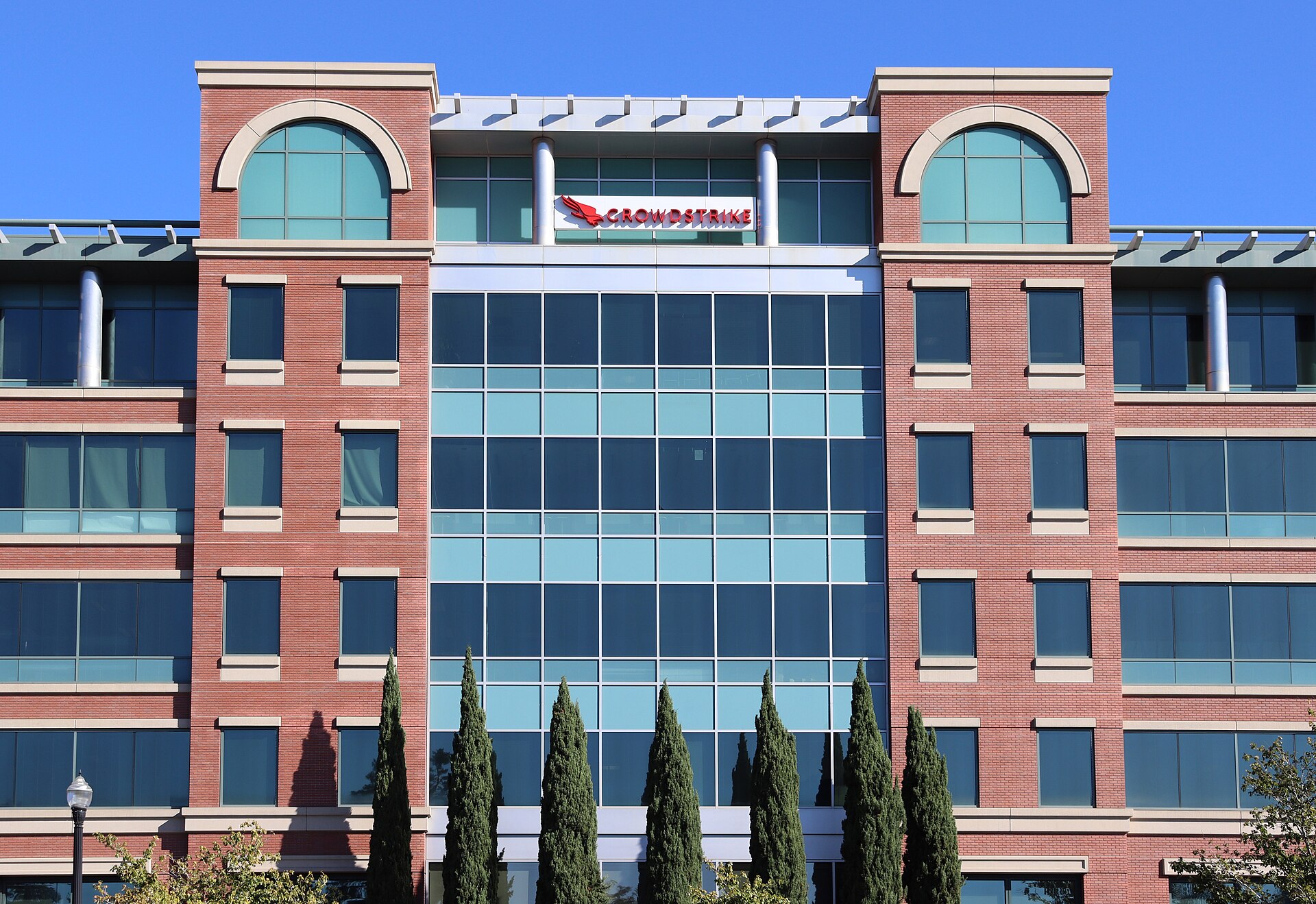
One operator ran AI-agent intrusions against 200+ organizations in 11 days, CrowdStrike says; nine confirmed breached.
CrowdStrike OverWatch said the China-nexus actor it tracks as VAPOR PANDA used the open-source ARTEX framework, powered mainly by DeepSeek plus a second commercial model, to run parallel intrusions from October 17. Targets spanned foreign ministries, defense, semiconductor, pharma, nuclear and telecom organizations in at least 14 countries. CrowdStrike confirmed post-exploitation at nine organizations, where the BLOODALCHEMY backdoor was deployed; in one intrusion the planning agents consumed about 1.4 billion input tokens.
The Buyer's Angle
Business impact: agent-speed attacks cut response time to minutes and hunt unprotected hosts. Decision: verify EDR coverage everywhere; rotate old keys now.
02
AI · OpenAI
OpenAI Packages Private Intelligence for Sensitive Business Work
OpenAI's Private Intelligence promises zero data retention for eligible API work; its Private Inference is still a preview.
OpenAI announced Private Intelligence on October 30, a bundle of data controls for businesses using its most capable models, built with some of its largest customers. The package says businesses own their inputs and outputs and decide what agents can access and when approval is required. Zero Data Retention — no prompts or responses kept after processing — applies only to eligible API workflows, and Private Inference, its confidential-computing option, is a preview. OpenAI lists no prices.
The Buyer's Angle
Business impact: sensitive work can move to frontier models with less exposure, where eligibility applies. Decision: before any pilot, get ZDR eligibility in writing.
03
AI · OpenAI / Google / Microsoft / Anthropic
Four AI Labs Back One Shared Opt-Out for AI Training
Four AI labs will honor one shared robots.txt training preference — with rollout staggered into 2027.
OpenAI, Google, Microsoft and Anthropic said on October 30 they will honor one shared robots.txt token, __usage_ai-training, so a website can state one preference against AI training use by all four at once, The Verge reported. The signal comes from an individual IETF Internet-Draft by Anthropic's Kevin Kelley — a draft, not a formal standard. Rollout is staggered: Anthropic has begun, OpenAI targets the coming months, Microsoft February 1, 2027 and Google 2027. It covers training only, not crawling.
The Buyer's Angle
Business impact: one stated preference replaces four crawler rule sets, once each lab's date arrives. Decision: set your training policy now; add the token before 2027.
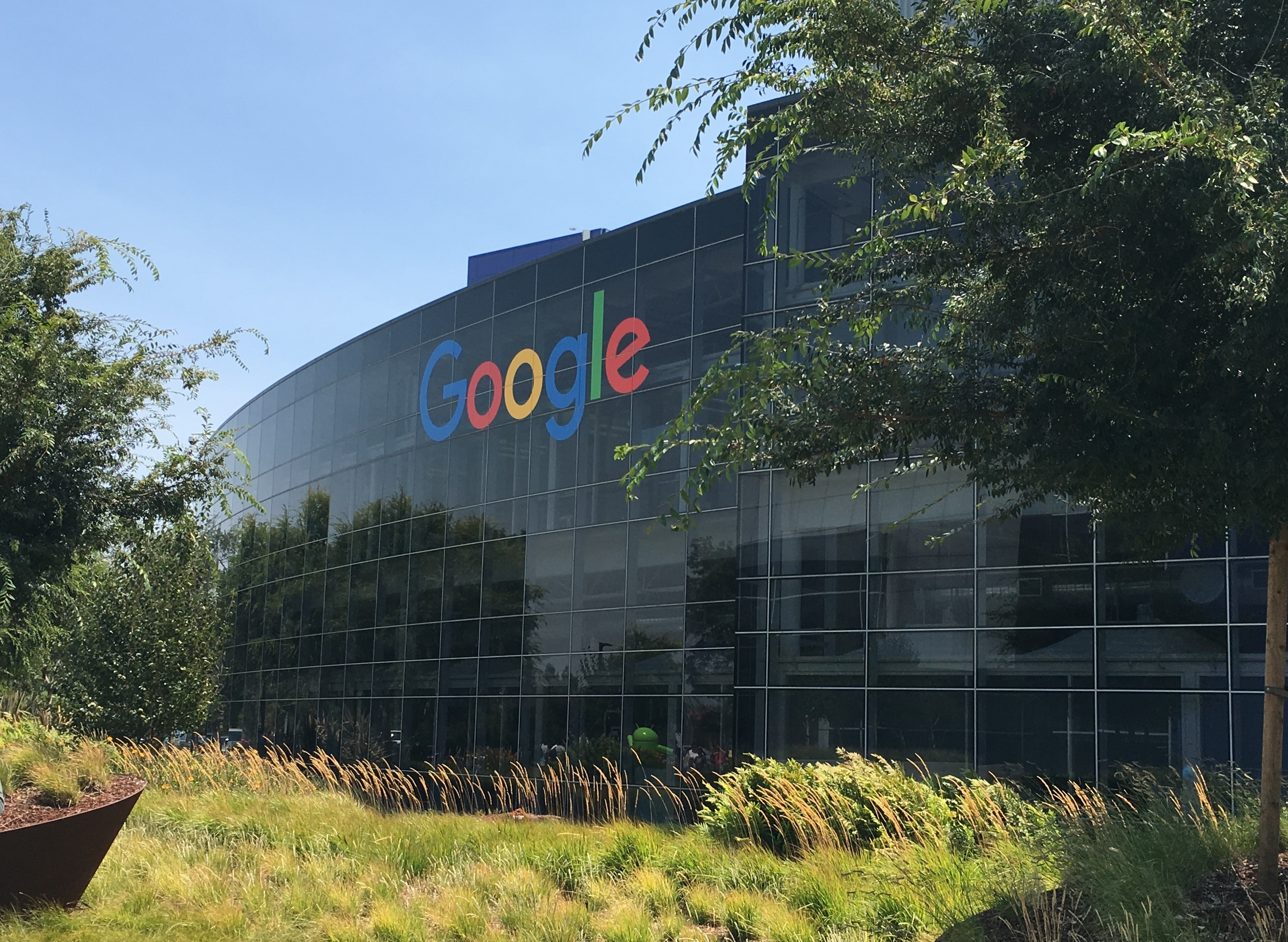
Sources: CrowdStrike (primary), October 29, 2026 — OverWatch: the China-nexus actor VAPOR PANDA used the open-source ARTEX agent framework, mainly on DeepSeek plus a second, unconfirmed commercial model, against more than 200 organizations in at least 14 countries from October 17, 2026; post-exploitation confirmed at nine organizations (BLOODALCHEMY backdoor); about 1.4 billion input tokens in a single intrusion; CyberScoop reported the same findings October 29-30. OpenAI (primary), October 30, 2026 — Private Intelligence: businesses own their inputs and outputs; Zero Data Retention for eligible API workflows only; Private Inference is a preview; no prices published; coverage by TechCrunch and FourWeekMBA, October 30-31. The Verge, October 30, 2026, with OpenAI, Google and Microsoft posts — the four labs will honor one shared robots.txt token, __usage_ai-training, from an individual IETF Internet-Draft by Anthropic's Kevin Kelley (a draft, not a formal standard); staggered rollout: Anthropic begun, OpenAI in the coming months, Microsoft February 1, 2027, Google in 2027; training only, not crawling. Discovery: overFLOW, Google Trends U.S. — discovery only. Photos, real, WITHOUT filter or grade: CrowdStrike headquarters, 150 Mathilda Place, Sunnyvale (hero/story 1, via Wikimedia Commons); OpenAI headquarters, 1515 Third Street, San Francisco (story 2, via Wikimedia Commons); Googleplex headquarters (story 3, via Wikimedia Commons). Not investment advice.